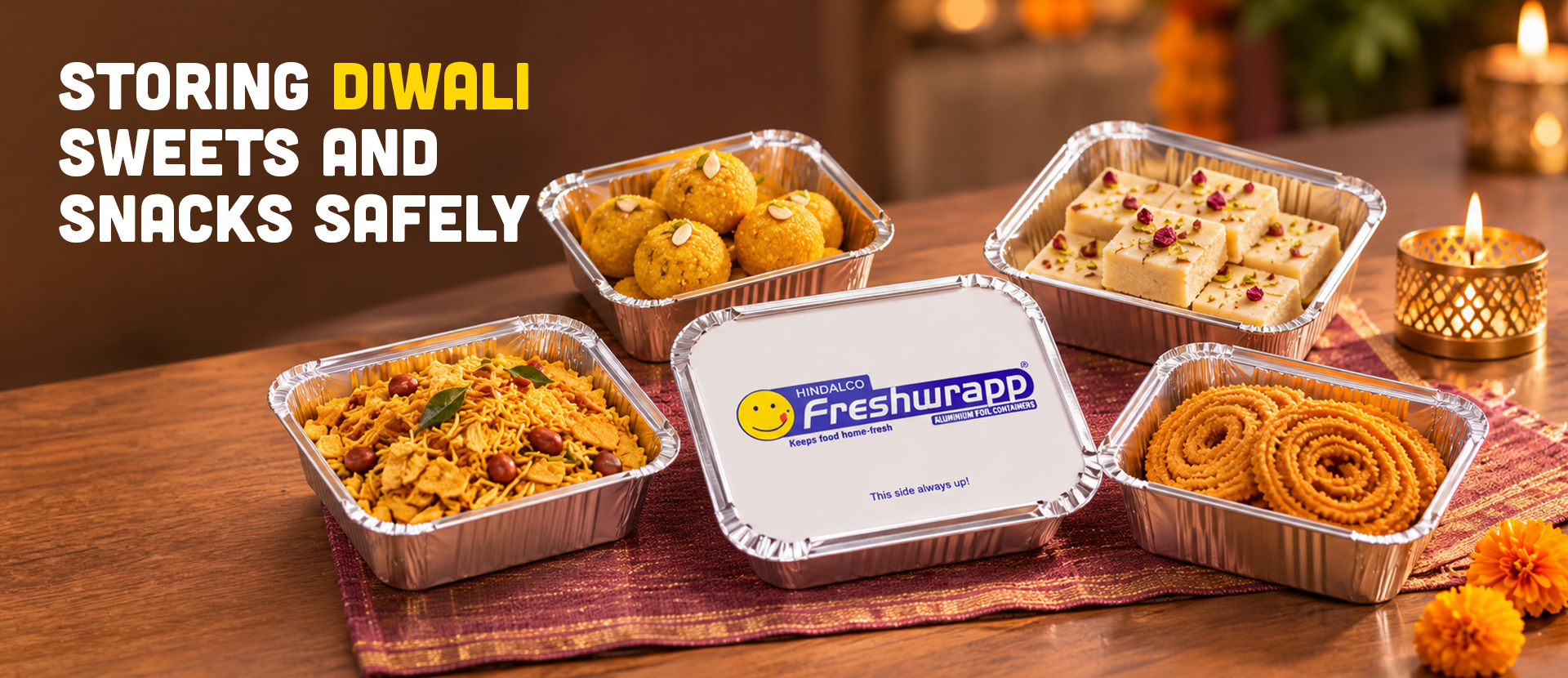
How to Store Leftover Diwali Sweets and Snacks Safely
November 06,2026
A box of laddoos here, a plate of chaklis there, and suddenly your kitchen is full of treats you can't possibly finish in one sitting! While enjoying leftover sweets and snacks over the next few days sounds like a good idea, keeping them fresh takes a little effort. The right storage containers, proper wrapping and a few simple storage tricks can help keep your favourite treats tasty for longer.
Whether you're dealing with homemade snacks or an assortment of sweets left over after Diwali celebrations, knowing how to store them properly can save you from soggy namkeen and spoiled mithai. Here are some easy ways to keep those goodies fresh and ready to enjoy!
1. Pick the Right Containers for Your Treats
Not all sweets and snacks like to be stored the same way. While some are perfectly happy sitting in your kitchen cupboard, others need a little more attention.
Aluminium food storage containers are great for dry snacks like namkeen, chakli, mathri, biscuits and chivda. They keep moisture out and help your snacks retain their much-loved crunch.
Use clean, dry containers for sweets like laddoos, barfis and pedas. If you're stacking different sweets, place food-grade butter paper between the layers to prevent them from sticking together. Store softer sweets like rasmalai, rasgulla and kalakand in aluminium containers before putting them in the refrigerator to keep them fresh.
2. Wrap Your Sweets and Snacks in Aluminium Foil
A little wrapping can go a long way when it comes to keeping food fresh. Aluminium foil for food storage is a handy option for packing individual portions of sweets and protecting food from exposure to bacteria.
Have a few pieces of barfi or peda left? Wrap them individually in food-grade aluminium foil to prevent them from sticking together. This also makes it easier to take out just one portion whenever you feel like having something sweet.
You can also use foil to cover bowls and trays containing snacks before storing them in the refrigerator. It helps protect the food and prevents it from picking up unwanted odours.
Just remember to let freshly prepared food cool down before wrapping it. Also, avoid prolonged direct contact between aluminium foil and highly acidic or salty foods. A suitable food-safe container is a better choice for these.
3. Keep Your Crunchy Snacks Away from Moisture
There's nothing quite like the crunch of freshly made chakli or namkeen. But leave them exposed to moisture, and that satisfying crunch can disappear before you know it!
Snacks like sev, chivda, mathri, namak pare and chakli need to be stored in a cool, dry place. If you've just prepared a batch, let it cool completely before packing it away. Storing warm snacks can trap steam inside the container, making them soggy.
Once they're cool, transfer them into aluminium storage containers and cover them properly. Avoid keeping the containers near the stove, sink or other areas where heat and moisture are common.
Another useful trick? Store different snacks separately. This keeps their flavours from mixing and helps each snack retain its original texture.
4. Give Milk-Based Sweets a Spot in the Fridge
Some sweets are best enjoyed fresh and need a little extra care when it comes to storage. Milk-based treats like rasmalai, rasgulla, kalakand, peda and certain varieties of barfi are more perishable and should be refrigerated.
Transfer these sweets into clean, covered containers and place them in the refrigerator promptly. Don't leave them sitting on the dining table for hours after everyone has finished eating.
As a general food safety rule, perishable foods should not be left at room temperature for more than two hours. If the temperature is above 32°C, this limit comes down to one hour.
Also, remember that popping sweets into the fridge doesn't mean they'll stay fresh forever. Follow the seller's storage instructions and consume homemade milk-based sweets within a few days, depending on their ingredients and preparation.
5. Don't Store Every Sweet in the Same Box
We get it. Putting all the leftover mithai into one big box seems like the easiest thing to do. But different sweets have different storage needs, so giving them their own space is a much better idea.
Dry sweets like besan laddoos, dry fruit rolls and certain varieties of barfi can be kept in aluminum food storage containers at room temperature, provided their ingredients and preparation allow it. On the other hand, sweets made with fresh cream, milk or other perishable ingredients need refrigeration.
Keeping them separate also prevents moisture and flavours from transferring between different varieties. A moist sweet can make a dry one soggy, while strong flavours can affect the taste of milder sweets.
Here's a simple trick: label your containers with the name of the sweet and the date it was stored. This way, you'll know exactly what's inside and which treats should be enjoyed first.
6. Divide Your Leftovers into Smaller Portions
Instead of putting everything into one giant container, try dividing your leftover sweets and snacks into smaller portions.
Smaller portions mean you only open what you need while the rest stays safely packed away.
You can use individual food-grade pouches or small food storage containers to portion out snacks for your evening chai breaks, office munchies or weekend cravings.
This trick is especially useful for refrigerated sweets. You can take out one portion at a time without repeatedly exposing the entire batch to room temperature.
7. Freeze Suitable Sweets for Later
Sometimes, even after sharing with friends and family, there are simply too many sweets left to finish in a few days. That's when freezing can come in handy!
Certain dry sweets and homemade treats can be frozen, depending on their ingredients and texture. Wrap individual portions in food-grade foil or place them in aluminium food storage containers, like those by Freshwrapp.
However, not every sweet is freezer-friendly. Some varieties may turn grainy, watery or lose their original texture once thawed. So, check whether the particular sweet is suitable for freezing before putting it away.
When you're ready to enjoy them, thaw the sweets in the refrigerator instead of leaving them out for hours. Avoid refreezing food that has already been thawed.
8. Give Your Leftovers a Quick Check Before Eating
Before reaching for that last piece of kaju katli, take a moment to check whether it's still good to eat.
Look out for visible mould, unusual discolouration, changes in texture or unpleasant smells. If something seems off, it's best to discard it. Don't try to remove just the affected portion and eat the rest.
Also, don't rely on smell or appearance alone to decide whether food is safe. Some harmful bacteria may not cause noticeable changes.
One more thing: avoid mixing freshly prepared snacks or sweets with older leftovers. Doing so can affect the freshness of the entire batch.
Enjoy Every Last Bite with the Right Storage Habits
Leftover sweets and snacks don't have to lose their charm once the celebrations are over. With a little care, you can keep your favourite treats fresh and enjoy them over the next few days.
Choose the right storage containers, use aluminium foil for food storage when needed and remember to refrigerate perishable sweets promptly. Simple habits like keeping snacks away from moisture, storing different sweets separately and checking leftovers before eating can make all the difference.
So, the next time you find yourself with a kitchen full of festive goodies, you'll know exactly how to keep them fresh, tasty and ready for your next snack break!
FAQs
How long can Diwali sweets be stored safely?
It depends on the type of sweet. Aluminium foil can be used to wrap suitable dry sweets, while aluminium food containers offer a convenient way to store and organise them.
What is the best way to store leftover Diwali sweets?
Wrap leftover sweets in aluminium foil and place them in food containers. This helps protect them from external exposure and makes storage more convenient.
How can I keep namkeen and farsan crispy?
Store namkeen and farsan in clean, dry food storage containers. You can also use aluminium foil to wrap individual portions to ensure freshness, before placing them inside the containers.
Can aluminium foil be used to wrap leftover sweets?
Yes. Aluminium foil is used for wrapping individual sweets and protecting them from air and external odours. For added protection, you can place the wrapped sweets in aluminum food storage containers.